

Termites are tiny insects that live in colonies and feed on wood, paper, books, and other materials containing cellulose. They may be small creatures, but they have some interesting facts associated with them and can play an essential role in our ecosystem. Here we explore 20 fascinating facts about termites that you never knew before!

Did you know that termites consume more than one million tons of wood annually? That is why it’s critical to protect your home against possible infestations with OCG termite control. These fantastic animals provide several benefits for us, including aerating soil and eating dead vegetation, which helps recycle nutrients back into the environment.
Termite colonies can be large, with up to two million members depending on the species. The most common type of termite is the subterranean variety which lives underground and builds intricate networks of tunnels throughout its colony. Termites also communicate with each other using chemical signals released through pheromones – this allows them to work together as a team when searching for food or to defend their nests from predators. Stay tuned to find out even more incredible facts about these little critters!
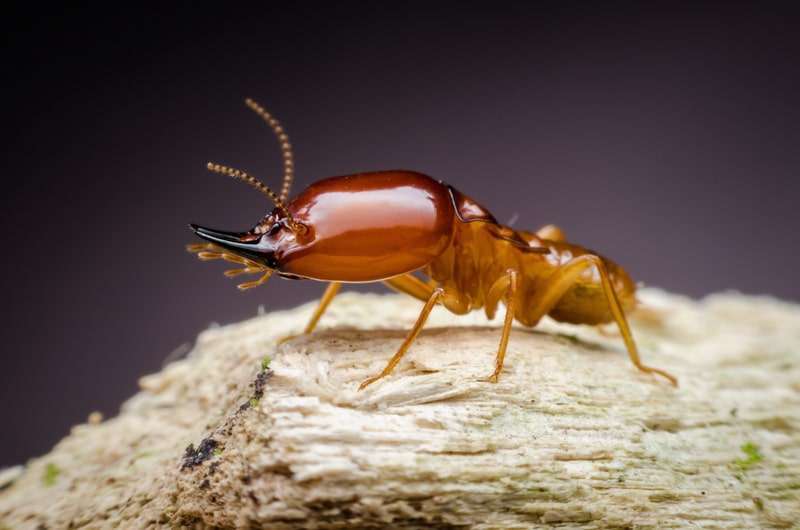
There are across the world, more than 2,600 species of termite! They vary in shape and colour depending on their type – some even glow in the dark due to bioluminescence – but they also display various behaviours unique to each insect. Some species prefer damp areas, while others inhabit dry lands; some eat wood, while others feed off grasses or leaves; some fly away when disturbed, whereas others dig deep tunnels underground. The diversity of termite species is remarkable.
Termites have incredible engineering prowess. Termites use mud tubes to transport food between one part of their colony and another – built with a combination of saliva secretions and dirt particles – which act as air-conditioned passageways through which workers can travel without being exposed to extreme temperatures outside. Additionally, certain types construct intricate mounds made from rocks, twigs and dirt that rise above ground level like miniature skyscrapers! These structures act as efficient temperature regulators, trapping cool air inside during hot days so that worker termites don’t overheat whilst working within them.
Research has shown that some species of termites can recognise members of their own family by smell alone. If new individuals try to enter a nest uninvited, they will be identified as outsiders and ejected from it before any damage can occur! What’s more impressive is that this ability isn’t exclusive to adult individuals either – larvae can identify strangers as as adults can too! It seems almost impossible for such simple creatures to have such advanced cognitive abilities, yet here we are today, appreciating their brilliance.
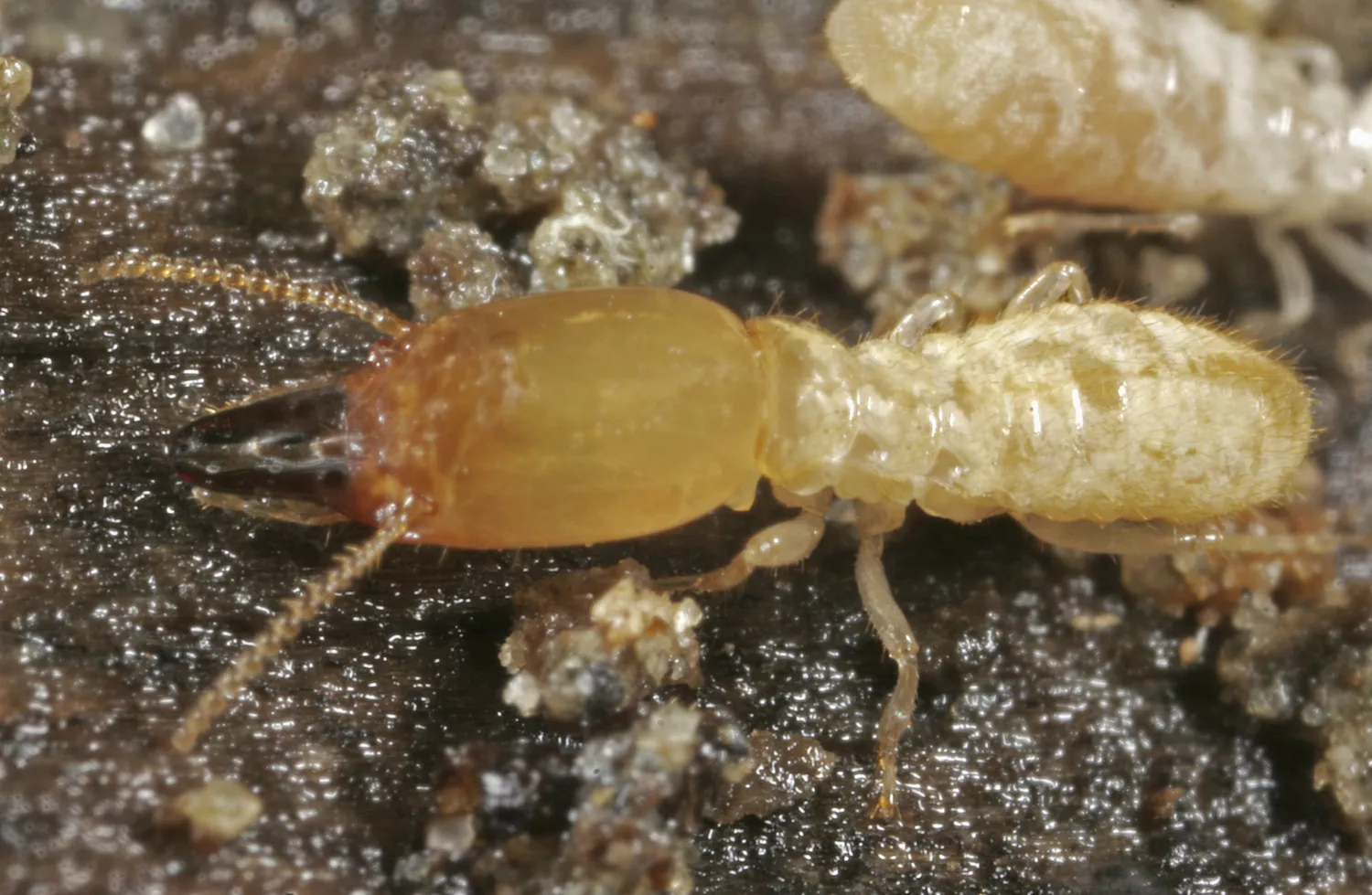
From the destructive forces of subterranean termite colonies to the impressive engineering skills of mound-building termites, there is much to learn about these fascinating insects. Did you know that some species can build mounds as tall as 10 metres?! Or that all members of a colony work together to maintain it?
Some scientists are studying termites for potential applications in environmental management, medical treatments, and even robotics!
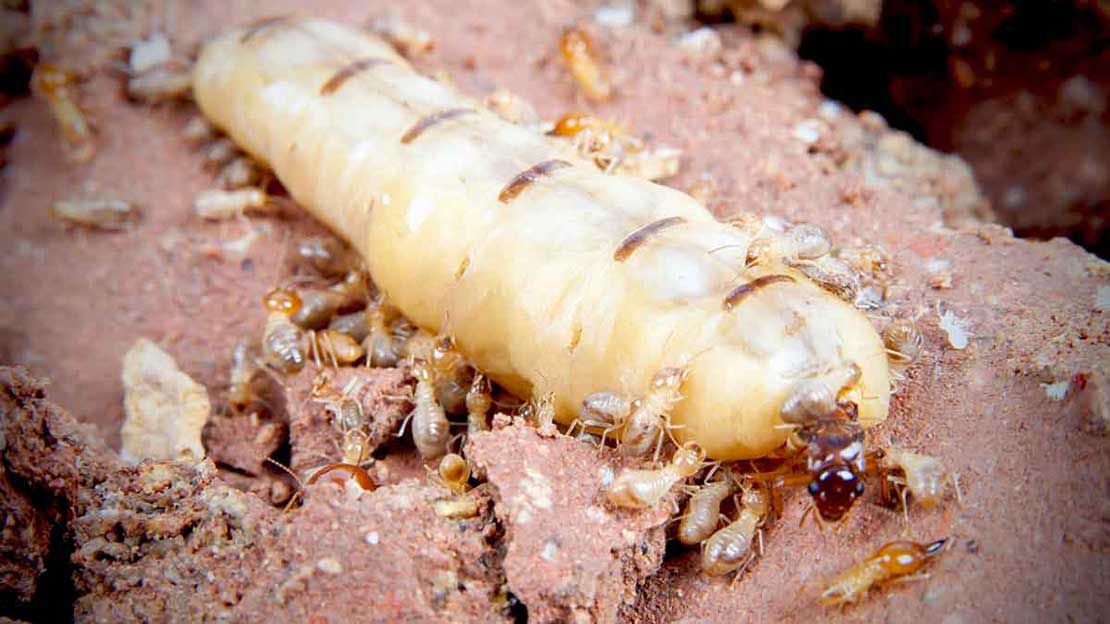
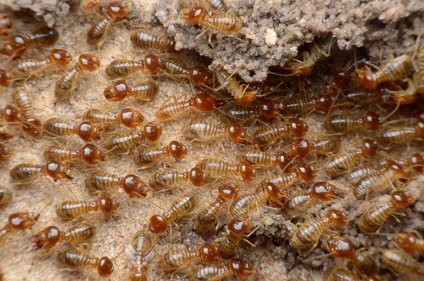
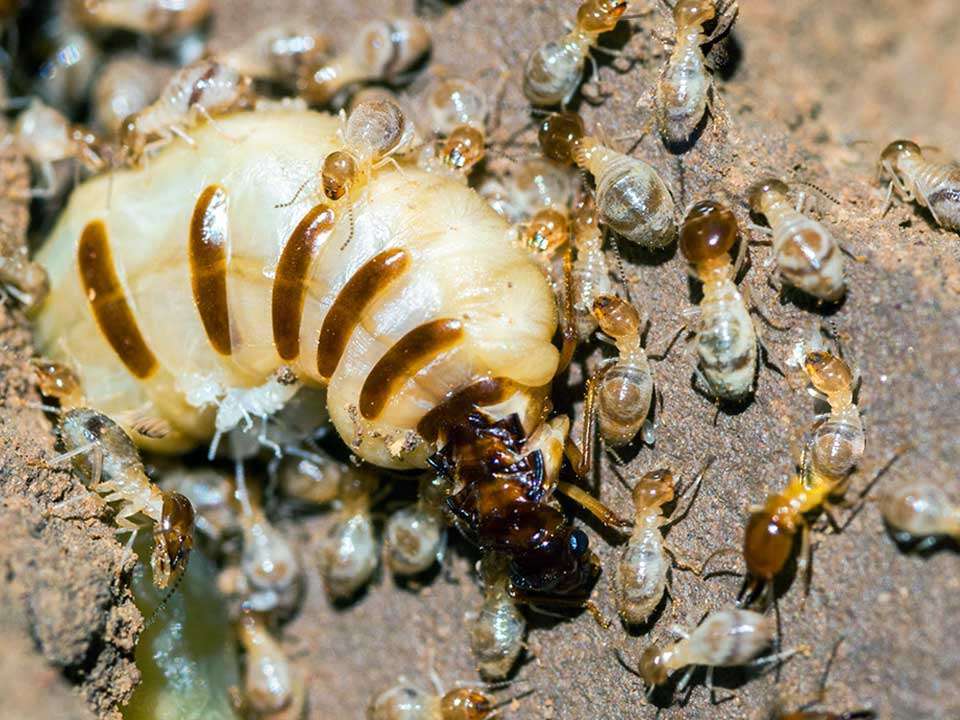
Termites live in colonies and may contain up to two million members each! This is possible because the colony has three distinct groups: workers, soldiers, and reproductives. The worker termites make tunnels and gather food, while the soldier termites protect them from predators like ants. Finally, the reproductive termite pair produces eggs that become new colony members.

Termites in the reproductive stage have wings so they can fly. These young kings and queens, known as alates, fly out from their home colony in quest of a mate, frequently in vast swarms. Each king and queen exit from the swarm together, looking for a new location to establish a new colony. They dismantle their wings and establish themselves in their new habitat to nurture their young.
Termites are healthy for you to consume! Termites are nutrient-dense due to their plenty of iron, calcium, protein, fatty acids, and amino acids.
They never rest. Termites construct their colonies every day and all through the night. 24 hours a day. They never sleep.

Large termite colonies exist. Over three million termites were found in the biggest termite colony ever discovered!
Termites and ants are rivals. Ants are the leading competitors and predators of termites. Termite and ant colonies that are close to one another engage in combat over territory and food sources.
The termites are eusocial. This indicates that they are caste-based, with various roles assigned to each caste. They live in complex societies divided into different castes, such as workers, soldiers, and reproductives.

The reproductive and soldier termite castes are unable to support themselves. These two castes must eat by regurgitating digested cellulose into their mouths from worker termites.
The termite is hygienic. To keep each other healthy, termite colonies spend much time grooming one another.
Termite queens decide what caste their offspring will become as they age. They do this by providing pheromone-filled excrement to their offspring. The termite’s role as it develops is determined by the type of pheromone the queen secretes onto the waste.
They have glands on their chests that release the pheromones. To other caste members, several pheromones convey a variety of information.

They can detect vibrations thanks to the organs at the base of their antennae and tibiae. Scientists have discovered that some species make their feeding decisions based on vibroacoustic signals picked up from various types of wood.
Soldier termites tap or pound their heads on the colony’s tunnel walls when they perceive a threat. This causes vibrations that alert the colony as a whole.

All termites, cockroaches, and mantids have a 300 million-year-old bug in common with its ancestor. According to fossil records, the earliest known termite specimen is from the Cretaceous era. Termites are the oldest known example of organisms working together for mutual benefit. The stomach protozoans of a 100 million-year-old termite with a ruptured abdomen were preserved in amber. Another surprising fact about termites is that they belong to the same biological order as cockroaches – Isoptera!
Deadbeat fathers are not present in the termite mound. Males in bee colonies typically die shortly after mating, whereas termite kings live on. The termite king stays with his queen after their wedding trip and fertilises her eggs as necessary. He assists the queen in feeding their offspring predigested food as part of their parenting responsibilities.
Almost all termite species have blind soldiers and workers within a particular colony. These hardworking creatures don’t require functional eyes because they spend their entire lives within the dark, wet nest. Only reproductive termites need eyesight since they must fly to find mates and new nesting locations.
Termites in the reproductive stage have wings so they can fly. These young monarchs, known as alates, fly out from their home colony in quest of a mate, in vast swarms. Each king and queen exit from the swarm together, looking for a new location to establish a new colony. They dismantle their wings and find themselves in their new habitat to nurture their young.
According to some estimates, they account for 95% of soil and insect biomass and 10% of all animal biomass in tropical areas.
This amounts to more than 40,000 termite eggs every day.
It has been estimated that some termite species generate 10 million eggs annually.

Termites prefer softwoods such as pine and cedar. These woods are softer and easier for termites to chew through than hardwoods like oak or maple. Softwoods also contain more cellulose, which is an essential nutrient for termites. Additionally, these woods are often used in construction and furniture-making processes, making them accessible to hungry termites.
Identifying signs of an infestation early on and taking immediate action can help you avoid costly damage. So it’s always a good idea to know what type of wood termites prefer when dealing with these destructive insects.
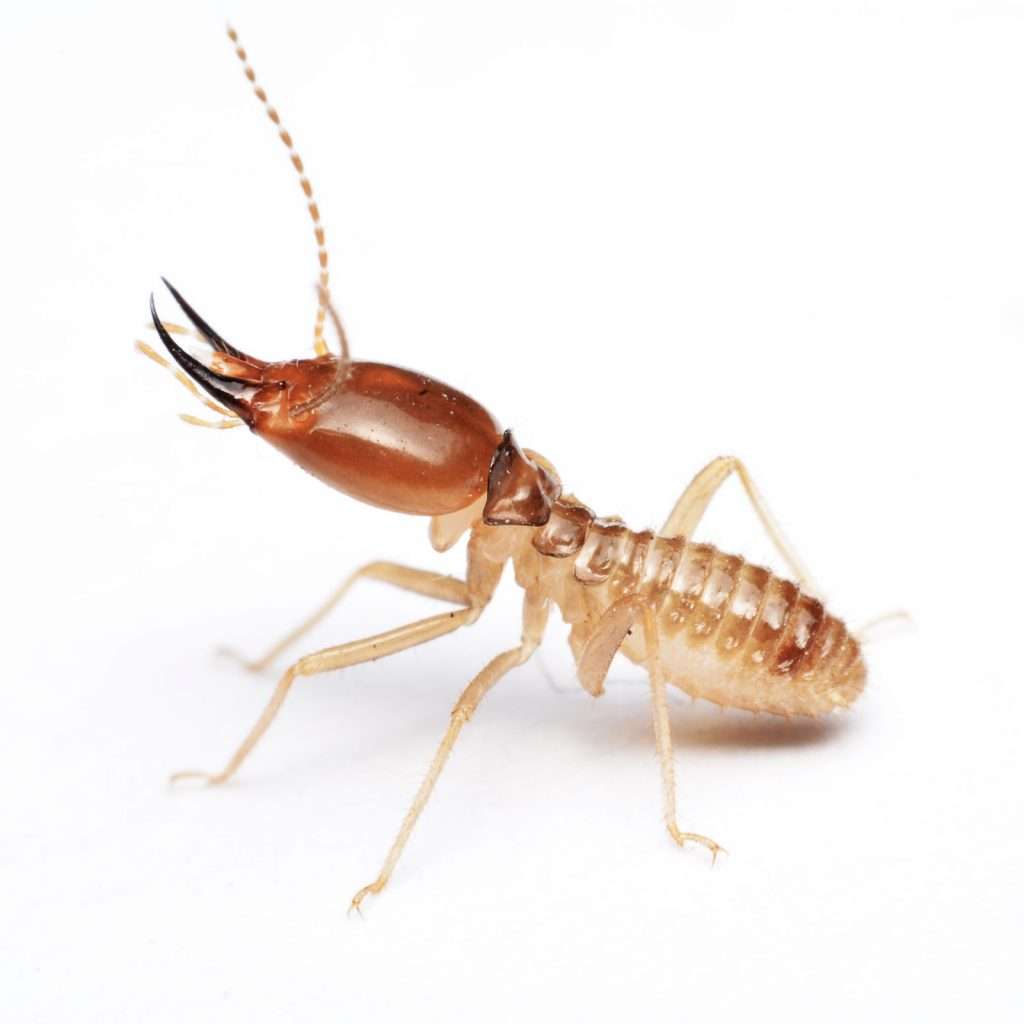
In the world of both mammals and insects, termites now hold the record for the fastest movement. At 252 kilometres per hour, Panamanian termites may clap their mandibles shut.
Termites produce large amounts of gas when they decompose the wood they consume. Scientists estimate that termites release up to 150 million tonnes of methane gas annually.
Termites can house up to 1,400 bacteria in their hindguts alone.
Termites are used as a dietary staple or a means of treating illness in several parts of the world. In Singapore, people eat live termites and termites that have been soaked in rice, wine or alcohol. Amazonian tribespeople inhales smoke from burning termite nests to get rid of the flu.

Only 28 of the 2,800 species of termites worldwide are interested in eating your house. Other species clean dead wood, aerate the soil through their tunnel systems, and promote plant development.
It is estimated that the cumulative weight of all termites on the earth would be 445 million tonnes if they were all placed on a scale at once. If the vastness of this figure isn’t striking you, consider how little human weight would be—only 350 million tonnes! There are 1,000 pounds of termites for every person on the earth. Additionally, almost three million termites in the biggest termite colony ever discovered.
Termite queens have a lifespan of 30 to 50 years, reproduce yearly, and start several colonies.
OCG is here to stop termites in addition to knowing a lot about them. We can assist you if you need advice on preventing termite infestations or have already seen some. Since termites are experts at designing their nests, producing eggs, and avoiding light and humans, infestations always call for professional help.
When it comes to eradicating termite infestations in homes, we have more than ten years of experience. We will react to any email or phone enquiry within 24 hours and are renowned for our prompt service. We offer pest control services to residential and commercial buildings in Sydney. Call us right now to arrange an inspection.

Termites are fascinating creatures that can cause significant damage to our homes and property. They are highly adaptive and can survive in various climates and conditions. While they can be challenging to detect and control, homeowners must be aware of the potential threat of termites. Taking proactive steps such as having your home inspected regularly and treating any infestations quickly can help protect your home from the damaging effects of these insects. With the proper knowledge and preventative measures, you can keep your home safe from the destruction caused by termites.
As a homeowner, knowing some basic facts about termites is helpful so that you can recognise them and take appropriate steps if they become a problem. Termites live in colonies of thousands or even millions of individuals, feed on wood and other cellulose materials, and may go undetected until severe structural damage has already occurred. The best way to protect your home from a termite infestation is through regular inspections by an experienced OCG pest control technician who can identify any signs of termite activity early on.
By understanding these pests, homeowners can better protect their properties from the costly damage that termite infestations can cause. Regular inspections should identify problems early before they become too severe. Taking preventative measures such as sealing cracks in foundations or walls where termites might enter will also help reduce the risk of an infestation occurring in the first place. Knowing what makes them tick allows us to effectively manage the environment around them while minimising damage to our homes.


