

Termites are a common and destructive pest that can wreak havoc on Australian homes, particularly in their insidious infestations within drywall. These tiny creatures feed on cellulose, the main component of wood and drywall, making them a formidable threat to the structural integrity of your property. Identifying termite presence in your drywall is crucial for early detection and prevention of extensive damage. If this looks familiar, book a termite inspection in Campbelltown.
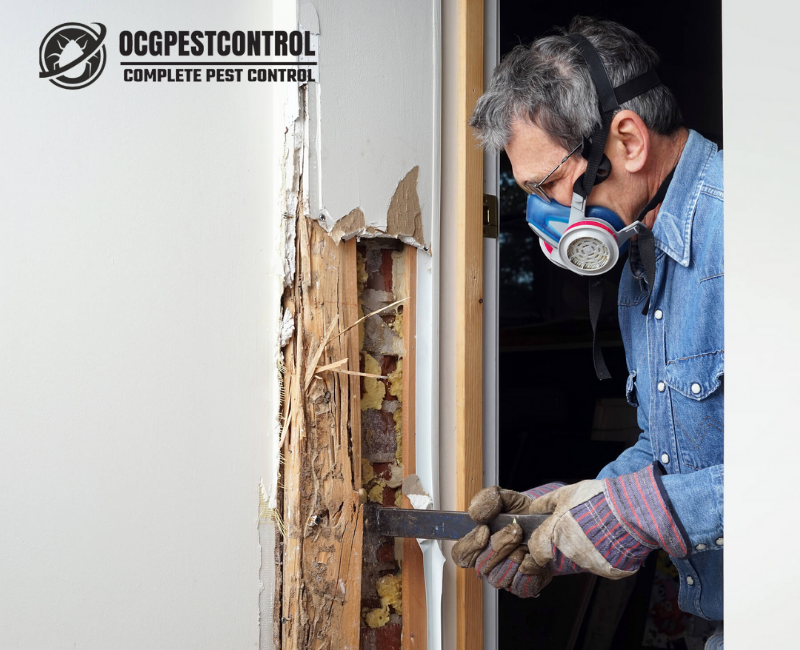
By learning to recognize key signs, you can take swift action to protect your home from these voracious invaders.
Table of Contents.
Termites are notorious for their destructive nature when it comes to drywall. These tiny insects can silently infiltrate your home, causing extensive damage to the structural integrity of your walls. The problem is particularly prevalent in Australia, where termites thrive due to the country’s warm and humid climate.
One of the telltale signs of a termite infestation in drywall is the presence of small pinholes or tunnels on its surface. Termites create these openings as they burrow through the material, feeding on cellulose found within the drywall. Additionally, you may notice sagging or bulging areas in your walls, indicating that termites have been feasting on them from within.
To address this issue effectively, it is crucial to take immediate action upon discovering any signs of termite presence in your drywall. First and foremost, contact a professional pest control service specializing in termite eradication. They will thoroughly inspect your property and implement appropriate treatment methods based on the extent of infestation.
In addition to professional assistance, there are preventative measures you can take to minimize further damage caused by termites. Regularly inspecting interior and exterior surfaces for signs such as mud tubes along foundations or discarded wings near windows can help detect the early stages of an infestation before significant harm occurs.

Ensuring proper ventilation and reducing moisture levels around your house by fixing leaks or improving drainage systems makes it less appealing for termites seeking damp environments conducive to survival.
Prompt action is essential when dealing with termite-infested drywalls; delaying treatment might lead to severe structural issues requiring expensive repairs. By staying vigilant and partnering with professionals experienced in termite control strategies tailored specifically for Australian homes’ unique conditions – you’ll be able to protect yourself from these destructive pests while preserving the integrity of your precious abode.
Termites can be a homeowner’s worst nightmare, especially when they invade the drywall in Australian homes. Identifying signs of termite infestation in drywall is crucial to prevent further damage and costly repairs. One clear indication of termites in your drywall is the presence of small holes or tunnels on its surface. Worker termites create these tiny openings as they burrow through the material to build their nests and search for food sources. Additionally, if you notice any bubbling or peeling paint on your walls, it could be a sign that termites have infiltrated the drywall behind it.
Another telltale sign of termite activity is the accumulation of frass around your drywall. Frass refers to termite droppings that resemble sawdust or wood shavings and can often be found near entry points such as cracks or crevices in the wall.

Watch for discarded wings, particularly during the swarming season when reproductive termites take flight to establish new colonies. If you come across discarded wings around your home’s interior or exterior surfaces, it may indicate an active termite colony nearby.
Prompt action must be taken to address a termite infestation in Australian drywall effectively. First and foremost, it is recommended to contact professional pest control services with experience dealing with termites to accurately assess the extent of infestation and determine appropriate treatment methods tailored to Australian conditions. Depending on the severity of the problem, these experts may utilize options such as chemical treatments or baiting systems.
In addition to seeking professional help, there are some preventive measures homeowners can implement themselves. Regularly inspecting both interiors and exterior walls for signs of moisture buildup, cracks, or gaps can help identify potential entry points for termites.
Sealing any openings promptly using caulk or sealant will limit access routes into the drywall.
Furthermore, keeping wood or cellulose-based materials away from direct contact with the ground and maintaining proper ventilation in areas prone to dampness can reduce the risk of termite infestations.
In conclusion, being aware of signs indicating termite presence in Australian drywall is essential for homeowners. The holes, tunnels, bubbling paint, frass accumulation, and discarded wings are all red flags that should prompt immediate action. Seeking professional assistance and implementing preventive measures can go a long way in protecting your home from these destructive pests. Remember, early detection and timely intervention are crucial to minimizing damage caused by termites in Australian homes.
When identifying termite infestations in Australian drywall, one telltale sign is the presence of hollow-sounding areas. As homeowners or property managers tap on the surface of their drywall, they may notice a distinct hollowness that can indicate termite activity beneath the surface. This occurs when termites consume and tunnel through the cellulose-based drywall material, leaving empty spaces that create a hollow sound upon contact. It’s essential to pay attention to these auditory cues as they can indicate a potential termite problem within your walls. Suppose you suspect termite activity due to hollow-sounding drywall. In that case, you must take immediate action and consult with pest control professionals for inspection and treatment options tailored specifically for termites in Australian homes.
Termites are notorious for causing extensive damage if left untreated, particularly in Australia, where certain species thrive in favorable climate conditions. When dealing with termites infesting drywalls, there are several other signs besides hollow-sounding areas that homeowners should be aware of:
1. Presence of mud tubes: Termites construct mud tubes along walls or foundations as protective tunnels between their nests and food sources such as wood or cellulose materials like drywall.
2. Discarded wings: After swarming during mating season, termites shed their wings near windowsills or other entry points into your home.
3. Small holes or cracks: Look for tiny entry points where termites might have gained access to your drywall.
4. Sagging or bulging sections: Due to moisture buildup caused by termites’ activities within the wall structure, affected areas may start sagging or appear swollen.
To effectively address a termite infestation in Australian drywall:
– Contact professional pest control services specializing in termite treatments suited for local conditions.
– Conduct regular inspections around your property (both interior and exterior) using flashlights and tools to spot any signs of termite activity.
– Consider preventative measures such as installing physical barriers or using termite-resistant materials during construction or renovations.
– Maintain proper ventilation and address moisture issues in your home, as termites are attracted to damp environments.
Remember, early detection is crucial when dealing with a potential termite infestation. By staying vigilant and taking prompt action, you can protect your drywall from further damage and ensure the integrity of your property for years to come.
Peeling or bubbling paint on your drywall can be a telltale sign of termite infestation. The moisture termites produce as they burrow through the wood can cause the color to lose its adhesion and start peeling or bubbling. This is especially common in areas where termites have been feeding for an extended period, causing significant damage to the underlying structure. Suppose you notice any peeling or bubbling paint on your drywall. In that case, it’s crucial to promptly investigate and address the potential termite problem before it worsens and leads to more extensive damage.
Termites are notorious for their ability to remain hidden within walls, making them difficult to detect until significant damage has already occurred. However, there are several signs that homeowners should look out for when inspecting their drywall for termite presence. In addition to peeling or bubbling paint, other indicators include the appearance of small holes or tunnels in the wall surface, sagging or drooping drywall panels, hollow-sounding wood when tapped with a hard object like a screwdriver handle, and even visible mud tubes along exterior walls.
If you suspect a termite infestation based on these signs, it’s essential to identify and eradicate the existing colony and take preventive measures against future invasions. Consulting with a professional pest control company experienced in dealing with termites will ensure an accurate assessment of the situation and appropriate treatment methods tailored to your needs.
To effectively address a termite infestation in your drywall, various strategies may be employed depending on factors such as the severity of damage and accessibility of affected areas. Traditional treatments involve chemical barrier sprays around foundations and drilling into walls for targeted application directly onto active colonies. Alternatively, baiting systems can be used where termites consume poisoned bait stations strategically around your property.
Regular inspections by trained professionals are vital post-treatment since early detection is pivotal in minimizing potential damage caused by future termite infestations. Additionally, implementing preventive measures like maintaining proper ventilation and moisture control within your home, removing any wood debris from the vicinity of your property, and ensuring regular inspections of wooden structures can significantly reduce the risk of drywall termite infestation.
In conclusion, peeling or bubbling paint on drywall is a sign that should not be ignored, as it could indicate a potentially damaging termite infestation. By being vigilant for other signs, such as small holes or tunnels in the wall surface and sagging panels, homeowners can take immediate action to prevent further damage. Seeking professional assistance is crucial in accurately assessing the situation and determining appropriate treatment methods tailored to your needs. Early detection and preventive measures are key to protecting your home from pesky termites.
Sagging or warping drywall is a clear indicator of termite infestation in your home. Termites are known to feed on cellulose, found in abundance in the wooden structures behind your walls. As these tiny pests consume the cellulose, they weaken the structural integrity of the wood, causing it to bend and warp over time. Consequently, this damage manifests as visible sagging or warping on your drywall surface. If you notice any irregularities or deformations in your drywall panels, it’s crucial to investigate further for potential termite activity within your walls.
Termites can wreak havoc on Australian homes by targeting their favorite food source: timber. Drywood termites typically nest inside wooden structures such as wall studs and joists but can also infest drywalls if given an opportunity. These silent destroyers chew through wood from the inside out, leaving only a thin layer intact that conceals their presence until significant damage has been done.
To address sagging or warping drywall caused by termites effectively, it’s important to act swiftly and seek professional assistance from pest control experts specializing in termite eradication. They have access to specialized tools and techniques to locate hidden termite colonies within walls using thermal imaging technology or moisture meters.
Once identified, treatment options may include localized insecticide application directly into affected areas and targeted baiting systems explicitly designed for termites living within wall cavities. In severe cases where extensive damage has already occurred, more drastic measures like partial demolition may be necessary to eliminate all traces of termites within the structure.
It’s worth noting that prevention is always better than cure when dealing with termites. Regular inspections conducted by qualified professionals can help detect early signs of infestation before significant harm occurs – potentially saving homeowners thousands of dollars in repair costs.
To minimize risks associated with termite attacks on drywall surfaces, promptly addressing any moisture issues within your home is advisable. Termites thrive in damp environments, so maintaining proper ventilation and ensuring effective drainage systems can deter these destructive pests.
In conclusion, the presence of sagging or warping drywall is a strong indicator of termite activity behind your walls. If you notice such signs, seek professional pest control assistance immediately to assess the extent of infestation and implement appropriate measures for eradication. Remember that early detection is key in preventing extensive damage caused by termites, so regular inspections are highly recommended as part of proactive termite management strategies. Stay vigilant and protect your home from these silent invaders!
One of the telltale signs of a termite infestation in drywall is the presence of small holes or maze-like patterns. Termites create these tiny openings as they burrow through the drywall, creating tunnels and galleries for their colonies to thrive. The size and shape of these holes can vary, but they are typically around 1/8 inch in diameter. When inspecting your drywall, watch for these distinctive patterns, which indicate active termite activity within your walls.
If you notice any small holes or intricate pathways on your drywall surface, it is crucial to take immediate action to prevent further damage to your property.
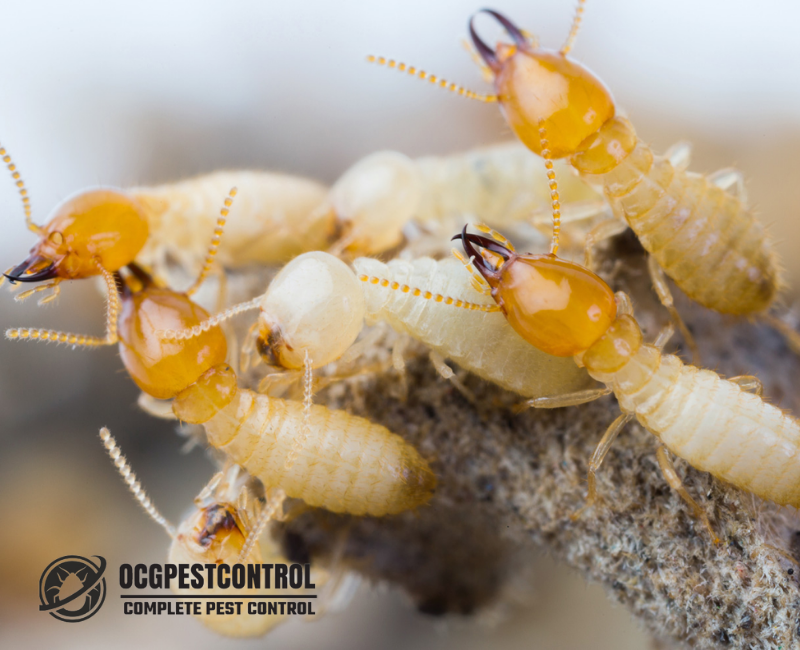
Termites are notorious for their ability to silently wreak havoc on homes and buildings without being detected until significant damage has already occurred. This makes early detection critical when it comes to managing termite infestations effectively. Small holes or maze-like patterns in your drywall should not be taken lightly, as they could signify a more significant problem lurking beneath the surface.
To address a termite infestation in Australian drywall, it is recommended that you consult with a professional pest control company specializing in termite management. They will thoroughly inspect your property using specialized tools and techniques such as infrared cameras and moisture meters to determine the extent of the infestation.
Once identified, various treatment options may be suggested depending on factors such as the severity and location of the infestation. These treatments may include localized spot treatments using liquid termiticides or baits strategically placed near affected areas.
In addition to professional intervention, there are preventative measures homeowners can take against future termite invasions:
1) Regularly inspecting both interior and exterior walls for signs of termites.
2) Maintaining proper ventilation within crawl spaces.
3) Addressing any moisture issues promptly.
4) Avoid direct contact between soil and wooden structures by maintaining appropriate clearance between earth-filled planters/pots and walls.
5) Ensuring wooden structures are treated with appropriate termite-resistant coatings.
By staying vigilant and taking prompt action, you can protect your drywall and prevent further damage caused by termites. Remember, early detection is key to minimizing the impact of these destructive pests on your property.
So keep an eye out for small holes or maze-like patterns in your drywall, as they could indicate a hidden termite infestation that requires immediate attention.
Tunnels or mud tubes on drywall are a telltale sign of termite activity. These structures, built by termites, serve as protective pathways for the insects to travel between their nests and food sources. Typically brown in color and about the width of a pencil, these tubes can appear on interior and exterior walls. The presence of tunnels indicates an active termite infestation that requires immediate attention. It is important to keep these mud tubes intact as they provide valuable clues for pest control professionals to accurately assess the extent of the infestation. If you come across any tunnels or mud tubes on your drywall, promptly contact a reputable pest control company specializing in termite treatment.
Termites are notorious for causing extensive damage to drywall within Australian homes and buildings. Drywood termites specifically feed on cellulose materials found in wooden structures like walls, floors, furniture, and even paper products such as books and documents.

As they feast upon the cellulose-rich material inside drywalls, they create intricate tunnels that weaken their structural integrity over time.
Unfortunately, identifying termite presence behind drywalls can be challenging since their destructive activities usually go unnoticed until significant damage has occurred. However, sure signs may indicate possible infestations, including sagging or discolored sections of wallboard; soft spots when pressed with fingers indicating internal tunneling; faint rustling sounds coming from within walls (often mistaken for rodents); discarded wings near windowsills which occur when winged termites swarm during mating season seeking new colonies nearby – if this happens indoors then there’s likely already an established colony somewhere close by!
Suppose you suspect termite activity behind your drywall. In that case, it is best not to attempt DIY treatments but instead consult professional help immediately due to the potential complexities of treating hidden areas like wall cavities, where pests could hide undetected! Experienced pest controllers will conduct thorough inspections using specialized equipment such as borescopes and moisture meters to detect termite presence within drywalls accurately. Once confirmed, they can implement effective treatment strategies tailored to your specific situation, including targeted pesticide application installation of physical barriers like termite-resistant materials or monitoring systems.
Prevention is always better than cure when it comes to termites. Regular inspections by qualified professionals are paramount in detecting early signs of infestation before significant damage occurs. Maintaining proper ventilation and reducing moisture levels inside buildings also help deter termites from thriving in the first place. Timely repairs of any water leaks or drainage issues around the property will go a long way in preventing conducive conditions for these destructive pests.
In conclusion, recognizing signs such as tunnels or mud tubes on drywall is crucial for identifying potential termite infestations. Taking immediate action by contacting professional pest control services ensures that appropriate measures are taken to eliminate the problem and prevent further damage caused by these voracious insects. Stay vigilant and proactive in protecting your home against termites’ costly onslaught!
One effective solution for termite infestations in drywall is to seek professional pest control services. Trained technicians can thoroughly inspect your property, identifying the extent of the infestation and locating potential entry points or nests. They can access specialized tools and treatments to target termites, ensuring effective eradication and prevention measures.
Another solution is to implement preventative measures such as regular inspections and maintenance. This involves examining any signs of termite activity, such as mud tubes on exterior walls or discarded wings near windowsills. It’s also essential to address any moisture issues within your home, as termites thrive in damp environments.
Repairing leaks, improving ventilation, and removing sources of standing water can help deter these pests from invading your drywall.
Additionally, homeowners should consider using termite-resistant building materials when constructing or renovating their properties. These materials are specially treated with chemicals that repel termites, reducing the risk of infestations in the first place.
In conclusion, addressing a termite infestation in drywall requires prompt action and attention to detail. Seeking professional assistance combined with regular inspections and maintenance can eradicate these pests while implementing preventative measures will ensure long-term protection against future invasions.
A professional termite inspection is a crucial step in ensuring the health and integrity of your drywall. Trained experts with in-depth knowledge of termite behavior, habits, and infestation patterns conduct these inspections. By thoroughly examining your property, they can identify signs of termite presence before significant damage occurs.
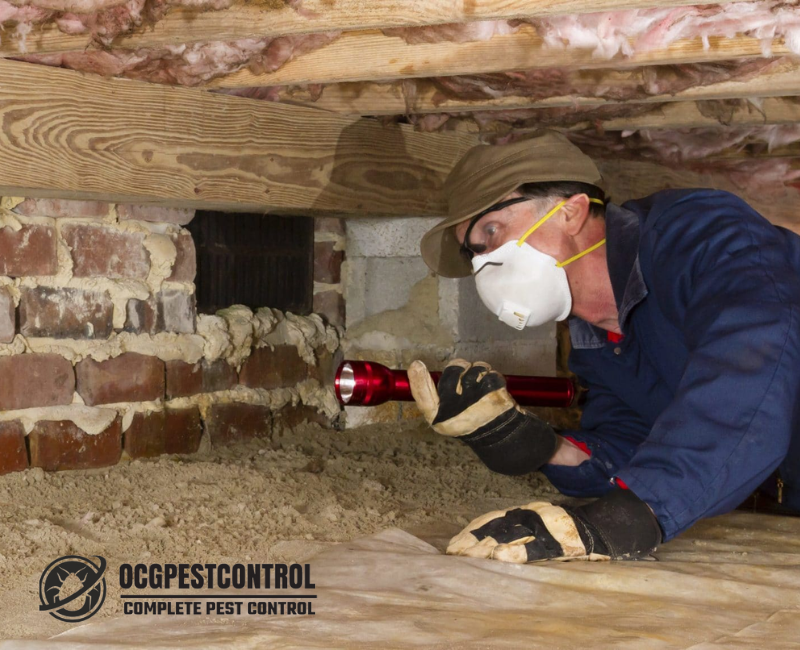
During a professional termite inspection, the inspector will carefully examine both the interior and exterior of your home or building. They will look for visible signs such as mud tubes on walls or foundations, discarded wings near windowsills or door frames, damaged wood structures, and hollow-sounding timber. In addition to visual cues, inspectors may use specialized tools like moisture meters to detect areas with high humidity that could indicate termite activity.
It’s important to note that not all termites leave apparent signs of their presence. Subterranean termites often build their nests underground and access buildings through hidden entry points like cracks in foundations or utility lines. A professional inspector knows where to look for these subtle indicators and can provide you with an accurate assessment of your property’s susceptibility to infestation.
If any evidence suggests termite activity during the inspection process, it is essential to take immediate action. Ignoring even minor signs can lead to extensive damage over time as termites feed on cellulose-based materials found within drywall structures.
In conclusion, professional termite inspections offer homeowners peace of mind by detecting early warning signs before serious harm occurs. This allows them to take proactive measures against these destructive pests.
When it comes to termite treatment and eradication, several effective methods can be employed. One popular approach is the use of liquid chemical barriers. This involves applying a specially formulated termiticide around the perimeter of the building or directly onto infested areas within the drywall. The termiticide creates a barrier that prevents termites from entering or exiting the structure, effectively eliminating their presence.
Another method commonly used for termite treatment is baiting systems. These systems consist of strategically placed bait stations in and around the property. The stations contain cellulose material with a slow-acting toxic substance attractive to termites. Once consumed by the insects, they carry it back to their colony, where it spreads and eventually leads to its elimination.
Sometimes, fumigation may be necessary for severe infestations or when other methods have proven ineffective. Fumigation involves sealing off an entire structure and introducing a gas penetrating all surfaces, including drywall, to kill off any existing termite colonies.
It’s important to note that while these treatments can effectively eradicate existing termite populations, ongoing prevention measures should also be implemented to avoid future infestations. Regular inspections by trained professionals should be conducted on both interior and exterior areas of your home or property to identify early signs of termite activity before significant damage occurs.
Maintaining proper ventilation and reducing moisture levels in crawl spaces or basements can also help prevent attracting termites as they thrive in damp environments. A thorough understanding of common entry points, such as cracks or gaps in foundations, along with routine maintenance, like trimming vegetation away from structures, will significantly assist your efforts in keeping pesky pests at bay.
By taking proactive steps towards prevention and implementing appropriate treatment strategies when needed, you can ensure your Australian drywalls remain free from destructive termite invasions
To prevent termite infestations in your drywall, it is crucial to take proactive measures and implement regular maintenance practices. Firstly, ensure that all cracks or openings in the exterior of your home are adequately sealed with caulk or weatherstripping. This will help keep termites from entering through gaps in the foundation or walls. Secondly, maintain proper ventilation in your home by keeping attics and crawl spaces well-ventilated and moisture-free. Termites thrive in damp environments, so reducing excess humidity can deter their presence.
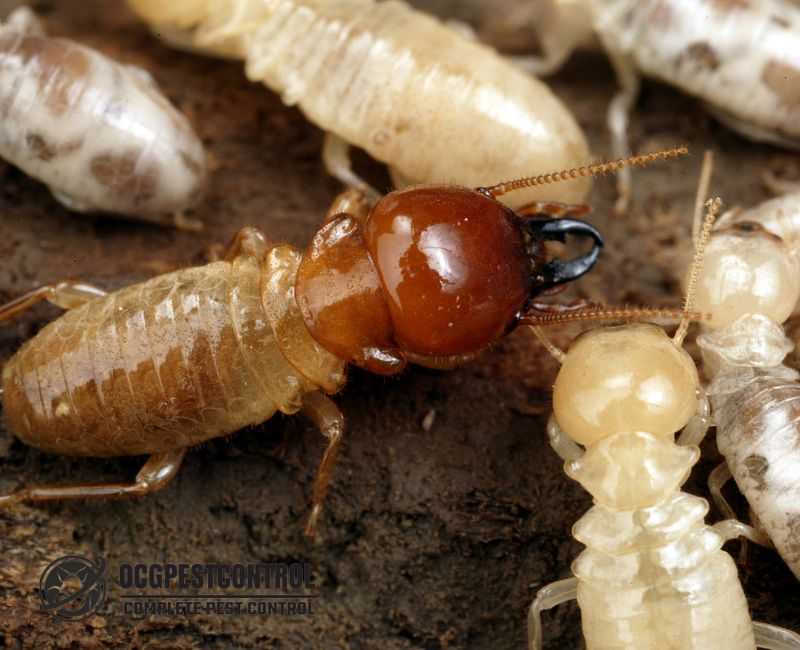
Additionally, consider installing a termite barrier system around the perimeter of your property to create a physical barrier against these pests. Regularly inspecting wooden structures for signs of termite damage, such as hollowed-out wood or mud tubes, is also essential for early detection and prompt treatment if necessary. Finally, scheduling annual professional inspections conducted by licensed pest control experts can provide further peace of mind and help identify potential termite issues before they become significant problems.
It is crucial to take immediate action if you suspect a termite infestation in your Australian drywall. Ignoring the problem or delaying treatment can lead to significant damage and costly repairs. To effectively address termite infestations, consulting with a professional pest control company specializing in termites is recommended. These experts will thoroughly inspect your property, identify the extent of the infestation, and develop an appropriate treatment plan tailored to your situation.
Treatment options may include chemical barriers, baiting systems, or localized treatments, depending on the severity of the infestation. Regular monitoring and maintenance are also essential to prevent future termite problems. By taking swift action and working closely with professionals, you can protect your drywall from further damage and ensure peace of mind for years.
Signs of termite presence in Australian drywall include hollow-sounding or papery drywall, small holes or tunnels in the walls, discarded wings near windows or doors, and the company of mud tubes on the walls.
To prevent termites from infesting your drywall, it is important to take proactive measures such as regular inspections, maintaining proper ventilation and moisture control, sealing any cracks or gaps in the walls, and keeping wood and debris away from the foundation of your property. Additionally, using termite-resistant materials during construction or renovation can help deter termite infestations.
If you suspect a termite infestation in your drywall, it is crucial to take immediate action. Contact a professional pest control company specializing in termite treatment to assess the situation and provide appropriate solutions. Only address the issue yourself, as termites can cause significant damage if adequately eradicated.
While some natural remedies claim to eliminate termites in drywall, such as orange oil or neem oil, their effectiveness is often limited. It is recommended to consult with a professional pest control company for the most effective and long-lasting solution to termite infestations in drywall.
Yes, termites can cause structural damage to your home through the drywall. They feed on the cellulose in the wood, including the wooden studs and framing behind the drywall, weakening the structure over time. It is important to address termite infestations promptly to prevent further damage.
Inspecting your drywall for termite activity at least once a year is recommended. However, more frequent inspections may be necessary if you live in an area with a high termite population or have had previous termite infestations.
Seen any of these signs at your place?
Do not disturb the area. Book a licensed termite inspection to AS 3660.2-2017 and get a formal written report with photos and clear next steps.
Book a termite inspection


